
"about pericarp"
800 article(s) found
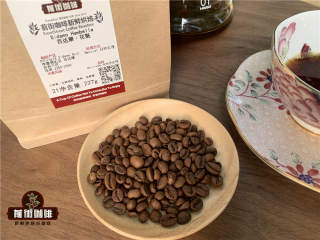
Introduction to the flavor characteristics of Sidamo Huakui Coffee the taste difference between Ethiopian coffee beans treated by sun drying and washing
Why is it called Huakui? In 2017, Ethiopia's DW Raw Bean Company sent their coffee beans to TOH (theTasteOfHarvest), a competition hosted by the African Coffee Association, and the tanning batch won the championship of TOH Ethiopia. This batch of raw beans, with crown

Family practices and taboos of coffee
[introduction] Coffee is one of the main drinks in the West. The seeds obtained by removing the pericarp and most of the seed coat after the fruit is ripe are called raw coffee or coffee beans. Raw coffee is roasted and ground to get coffee powder, which can be used to make a drink. Coffee tastes bitter, has a specific flavor, contains caffeine alcohol and 1.3% caffeine alkaloids, and is an anesthetic, diuretic, excitatory and cardiotonic drug. Baking

What does coffee fruit look like?
What we see every day is roasted coffee beans, and at most we have seen yellow-green coffee beans. That coffee bean is the most fruit. What is it like at first? What we usually see is a bit like cherries, so we sometimes call coffee cherries. Generally speaking, each coffee fruit contains two coffee beans. The beans are covered with pericarp, pulp and pectin.

The nutrition of coffee
Coffee is one of the main drinks for westerners. The seeds obtained by removing the pericarp and most of the seed coat after the fruit is ripe are called raw coffee or coffee beans. Raw coffee is roasted and ground to get coffee powder, which can be used to make a drink.
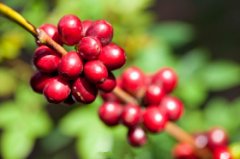
What does coffee fruit look like?
What we see every day is roasted coffee beans, and at most we have seen yellow-green coffee beans. That coffee bean is the most fruit. What is it like at first? What we usually see is a bit like cherries, so we sometimes call coffee cherries. Generally speaking, each coffee fruit contains two coffee beans. The beans are covered with pericarp, pulp and pectin.

First of all, understand what coffee is.
Coffee is a drink, a commodity, a plant. Different people have different understanding of coffee. Some people think that coffee is a way of life, coffee is a culture, coffee is a social tool, it is the embodiment of romance, fashion and nobility. Some people even think that the per capita consumption of coffee can be used as the embodiment of a country's overall national strength and national quality.
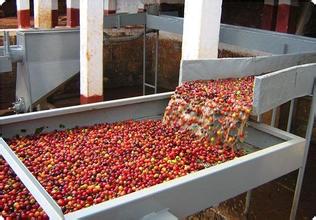
Treatment of raw coffee beans: introduction to the operation method and purpose of washing method
Washing method: 1, select beans: put the harvested fruit in a water tank and soak for about 24 hours. At this time, ripe fruit will sink, while immature and overripe fruit will float up and can be removed. 2. Remove the pulp: use a machine to remove the skin and pulp, leaving only the coffee beans wrapped in the endocarp. At this time, there is a layer of mucous membrane on the outside of the beans, and the process of washing is
Learn about the planting of coffee trees
Coffee is now widely grown in the ribbon between the Tropic of Cancer. Coffee grown in different regions has different tastes. The unique soil, climatic conditions and planting methods of a country make the coffee produced in that country have a unique flavor. French winemakers call this phenomenon regional style. Geographically, there are three global coffee growing areas.

Why is half-sun called volcanic treatment? How to bask coffee beans in half-sun treatment?
Professional coffee knowledge exchange more information on coffee beans Please follow the coffee workshop (Wechat official account cafe_style) the so-called treatment of raw coffee beans, which refers to the process of turning coffee from fruit into raw beans. After harvest, coffee beans need to go through complicated processing procedures before they can be refined into raw coffee beans. Refined coffee beans will have perishable inner and outer pericarp and pulp.
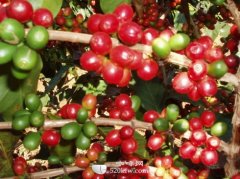
Coffee trees, coffee flowers, coffee fruits
The coffee tree is an evergreen tree with small white flowers and green fruit that does not turn red until it is ripe.
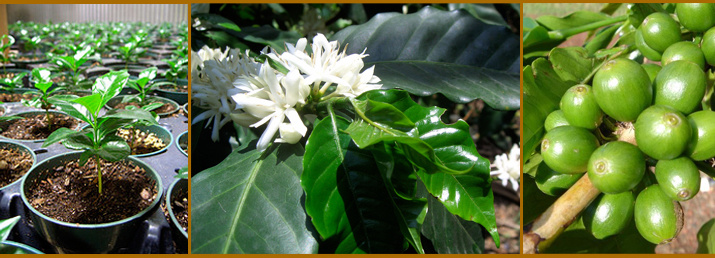
The ripening process of Coffee beans from flowering to ripening Coffee beans
It takes about 9 months (32-36 weeks) for coffee to mature from flowering to ripening. Today, Chongqing Beresta Coffee training School is here to share with friends the whole process of coffee bean growth and ripening. [tiny stage] (the first 8 weeks) Arabica coffee begins to divide eight weeks after flowering and fertilization. [site grabbing stage] (8-12 weeks) the vesicle cavity (inner)

Talk about the basic knowledge of growing fine coffee
Coffee is now widely grown in the ribbon between the Tropic of Cancer. Coffee grown in different regions has different flavors. The unique soil, climatic conditions and planting methods of a country make the coffee produced in that country have a unique flavor. French winemakers call this phenomenon regional style. Geographically, there are three global coffee growing areas

Introduction to Green Coffee Bean Treatment--Washing Method
Place the harvested fruit in a tank of water and soak for about 24 hours. The ripe fruit will sink, while the immature and overripe fruit will float up and can be culled.
Yara Peaberry washing treatment of African flavor Muxiui treatment plant in the western province of Rwanda
Country: Rwanda production area: West province Lutesilo production area altitude: 1827 meters rainfall: 1500mm treatment method: washing, elevated scaffolding sun drying varieties: BM-139 (bourbon) seed treatment plant: Musuyi treatment plant landlord: 1756 members small farmers (about 253 plants per small farmer) flavor: red apple, cherry, cinnamon, honey [Mushonyi processing plant]

How to understand the whole process of Coffee planting in Yunnan Province
How to understand the whole process of coffee planting in Yunnan seedling stage: seedling stage is a period from seed (or cuttings, grafting) germination to seedling emergence (nursery stage), about 0.5-1.5 years. After the coffee seeds were sown, the cotyledons began to be unearthed after a period of germination, about 30-100 days, and the length of time
Coffee picking
Coffee trees usually blossom in 3-4 years, about 2-3 months a year, and their appearance and smell are similar to those of jasmine. when they bloom, they grow in clusters on the branches and bloom for 3-5 days. After the flowers bloom, they bear small green fruits, which ripen and turn red into ripe fruits that can be picked after a few months.

Introduction to the whole process of coffee planting experience sharing from seedling stage to aging stage
Coffee planting experience sharing the whole process from seedling stage to aging stage introduction to seedling stage: seedling stage is the period from seed (or cuttings, grafting) germination to seedling emergence (nursery stage), about 0.5-1.5 years. After the coffee seeds are sown, the cotyledons begin to be unearthed after a period of germination, which takes about 30-100 days.
The processing of coffee beans
There are two ways to prepare coffee beans for the baking process. The method chosen has a significant impact on the final price and quality of coffee. The cheapest method of processing is called "drying", which is used for lower-grade coffee beans, while higher-quality coffee beans are processed by "wet treatment".